Rachmaninoff: Piano Concerto No. 2, Adagio sostenuto
Sergei Rachmaninoff, piano, with the Philadelphia Orchestra and Leopold Stokowski, recorded 1923 to 1924. Paintings by Caspar David Friedrich, Ivan Aivazovsky, J. M. W. Turner and Isaac Levitan.
Classical Renaissance
Classical Renaissance is our YouTube channel. Each film travels through public-domain paintings, set to a recording that is free to share, and some of those recordings were made in the 1920s. Every painting, composer, performer and recording is credited by name.
What it is
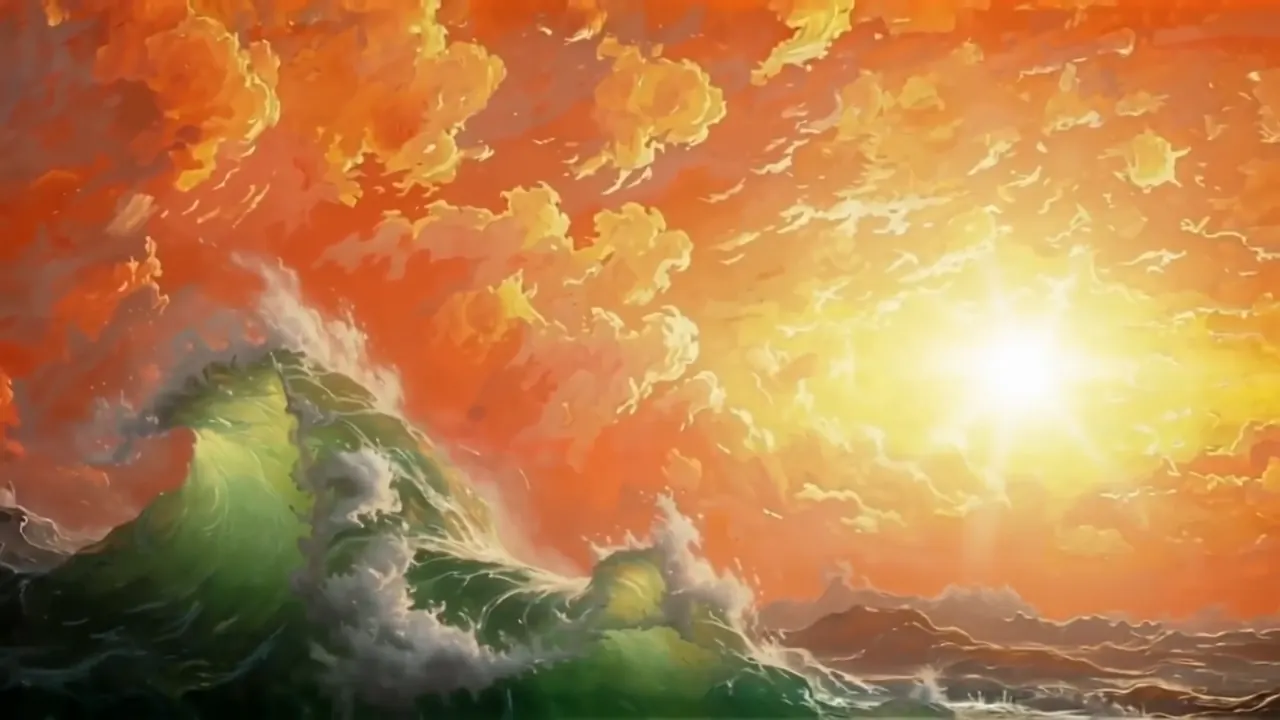
Each film takes one piece of music and a set of paintings that suit it. The camera moves forward through each painting and into its details, then travels on to the next one, so you see the brushwork, the faces and the skies up close while the music plays.
The recordings are public domain or openly licensed, and some are over a hundred years old. In our first film you hear Sergei Rachmaninoff himself playing the Adagio of his Second Piano Concerto, with Leopold Stokowski and the Philadelphia Orchestra, recorded in 1923 and 1924.
Coming soon: famous plays, speeches and scenes from great books, from Greek theatre and Pericles to Shakespeare, Cervantes and Dante, told through the eyes of the ordinary people who were there.
Why we make it
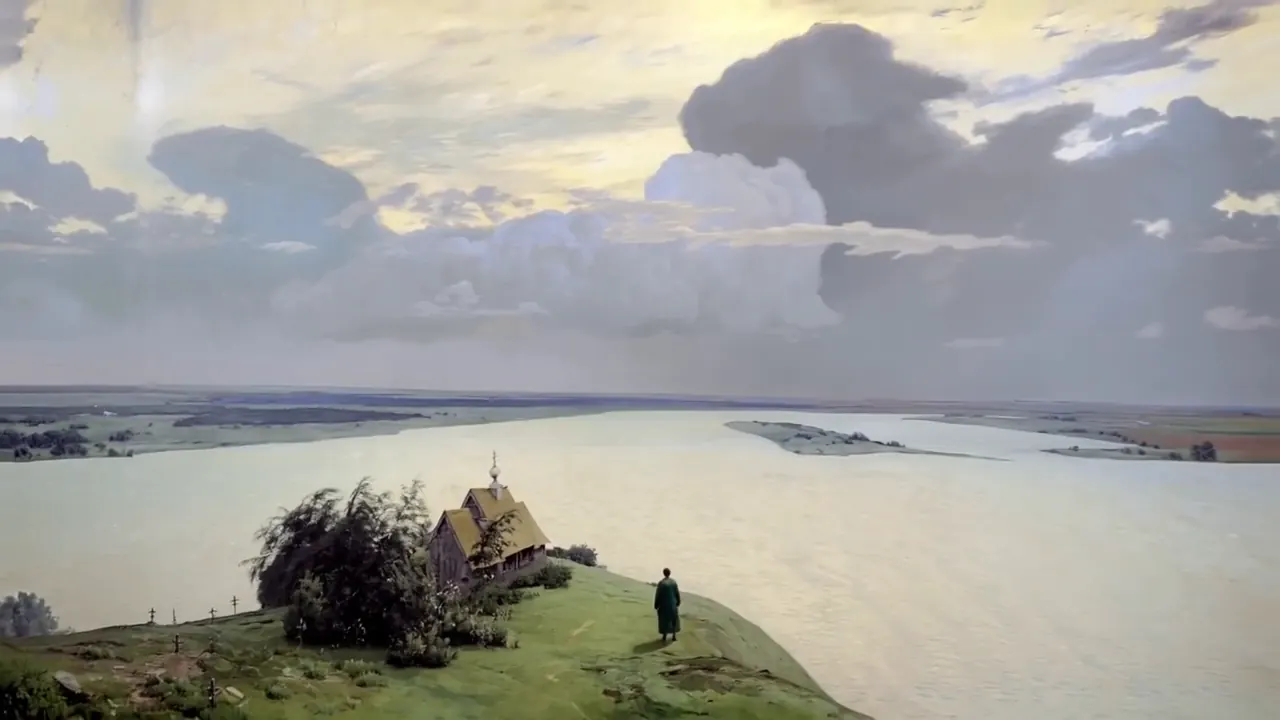
Many of these paintings hang in museums, and many of these performances sit in sound archives. We want them in front of people who would not go looking for them, on the phone in their hand.
Every film credits its sources, on screen and in the description: the composer, the performers, the recording, and each painting by artist, title and year. The artists did the real work, so they get the credit.
How we make it
It has to be public domain or openly licensed, with a source that shows it. We restore the sound gently, taking out hiss and clicks without AI, so the performance keeps its character.
Every painting is public domain, taken from museum and public collections through Wikimedia Commons.
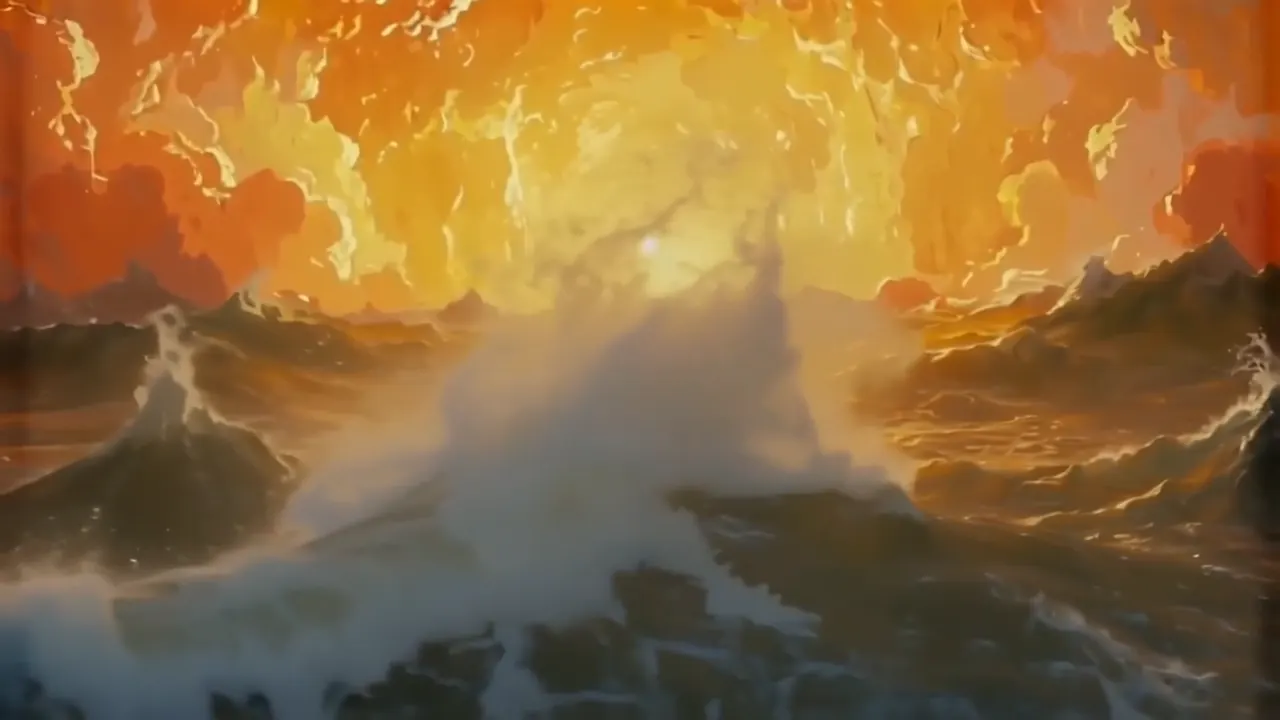
AI video (LTX-2.5) moves the camera forward through each painting and its details, timed to the music: bigger moves when the music rises, slower ones when it is quiet.
Each painting is named on screen as it appears, and the description lists every source. The AI use is disclosed on every video.
The films are made by Yobot's media system, running on our own graphics card (GPU) rather than a rented cloud service. It shows what Yobot can build: a system that turns a recording and a set of paintings into a finished, credited film.
Watch
Each film also has a Short, a 50 second cut for your phone. There are more on the channel.
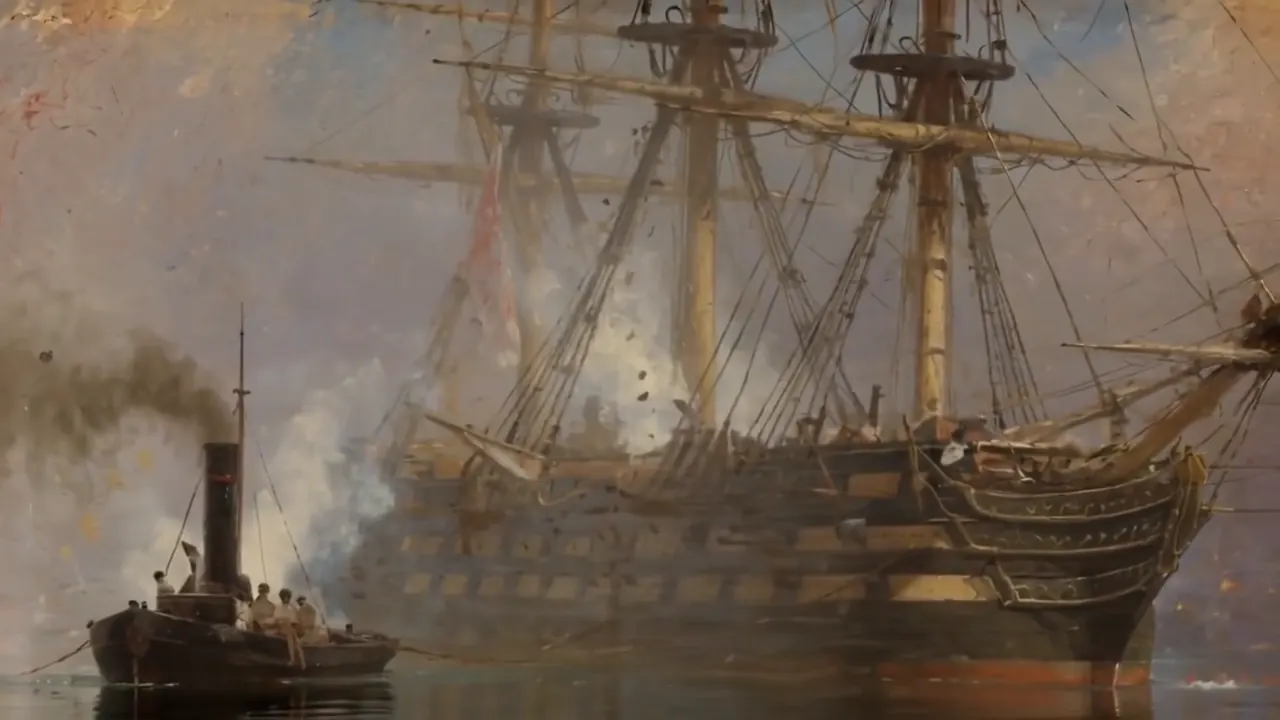
Sergei Rachmaninoff, piano, with the Philadelphia Orchestra and Leopold Stokowski, recorded 1923 to 1924. Paintings by Caspar David Friedrich, Ivan Aivazovsky, J. M. W. Turner and Isaac Levitan.
From Peer Gynt Suite No. 1. Musopen Symphony, recorded 2012 and released into the public domain by Musopen. Paintings by Theodor Kittelsen and John Bauer.
The players load from YouTube (privacy-enhanced mode) only when you press play.
Subscribe to see each new film and Short as it comes out.